
Plitvice Lakes National Park, Croatia: The Ultimate Guide to Lakes, Waterfalls and Autumn Magic

Imagine a forest painted in shades of gold, wooden walkways suspended above crystal-clear water and waterfalls cascading through a landscape that has been thousands of years in the making. Welcome to Plitvice Lakes National Park — one of Croatia’s most extraordinary natural wonders.
There are destinations you visit, and there are places you remember long after the journey ends. Plitvice Lakes National Park belongs firmly in the second category.
Located in the heart of Croatia, this remarkable landscape brings together sixteen named lakes, countless waterfalls, dramatic limestone cliffs and forests that change their colours with the seasons. The water shifts between turquoise, emerald and deep blue, while wooden pathways lead visitors through scenery that feels almost unreal.
In autumn, the park takes on a particularly enchanting character. Golden leaves frame the lakes, reflections shimmer across the water and the sound of waterfalls fills the cool forest air.
Whether you are visiting Croatia for the first time, planning a scenic day trip from Rijeka or exploring beyond the Adriatic coast, Plitvice Lakes is a destination worth making time for.
Why Plitvice Lakes Is One of Croatia’s Most Beautiful Places
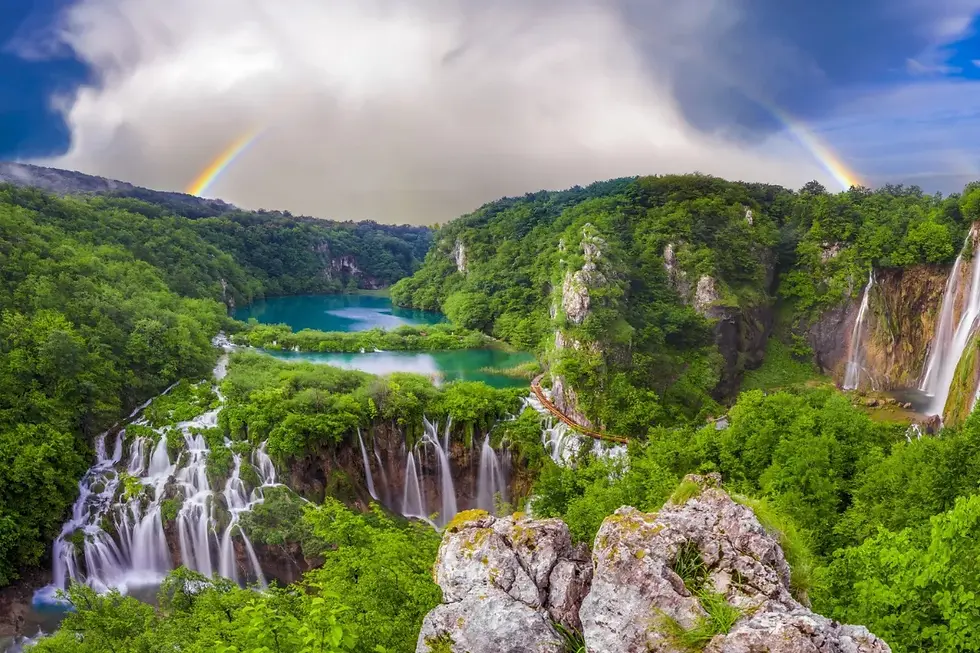
Plitvice Lakes is not simply a collection of picturesque lakes. It is a living natural landscape shaped by the continuous interaction of water, rock and vegetation.
The park was inscribed on the UNESCO World Heritage List in 1979 in recognition of its outstanding natural value. Its sixteen named lakes are connected by waterfalls and cascades, with natural travertine barriers separating one body of water from another.
These barriers develop through a remarkable process involving calcium carbonate, water and living organisms. Over long periods, they create the natural steps over which water flows, continually shaping the landscape.
This is what makes Plitvice so distinctive. The waterfalls are not merely flowing over an ordinary rocky landscape; they are part of a dynamic system that continues to evolve.
The colour of the lakes is equally extraordinary. Depending on sunlight, water depth, minerals and other natural conditions, the water can appear bright turquoise, green, blue or almost silver.
The result is a landscape that changes throughout the day and across the seasons. Even visitors who have seen photographs of Plitvice often discover that the real experience is far more impressive.
The Upper Lakes: A Peaceful World of Forests and Waterfalls

The Upper Lakes offer a wonderful introduction to the quieter, greener side of the national park.
Surrounded by woodland, these lakes are connected by a succession of waterfalls, streams and natural barriers. Walking paths take visitors through the forest and alongside the water, revealing new views at every turn.
Here, the atmosphere is immersive rather than dramatic. The sound of running water accompanies the walk, sunlight filters through the trees, and the landscape invites you to slow down.
One of the highlights is Lake Kozjak, the largest lake in the park. Its broad surface and wooded surroundings create a beautiful contrast with the smaller lakes and cascading streams nearby.
Depending on the current visitor programme, an electric boat crossing of Lake Kozjak may form part of the sightseeing experience.
The Upper Lakes are particularly rewarding for visitors who appreciate forest scenery, peaceful walks and the feeling of being surrounded by nature.
The Lower Lakes: Turquoise Water Beneath Towering Cliffs

The Lower Lakes reveal a different side of Plitvice.
Set within a dramatic limestone canyon, this section of the park features steep cliffs, narrow passages, waterfalls and intensely coloured water. The landscape feels more enclosed, giving many viewpoints a spectacular sense of scale.
Wooden boardwalks bring visitors close to the lakes and flowing water. From the pathways, you can admire the contrast between pale limestone, deep green vegetation and brilliant turquoise pools.
In autumn, the scenery becomes even more striking. Golden and copper-coloured leaves soften the rocky landscape, while reflections add extra depth to the water.
This is one of the most memorable areas for photography, but it is worth taking time to enjoy the scenery without looking through a camera. The movement of the water and the changing light are part of what makes the experience so special.
The Great Waterfall at Plitvice Lakes National Park

One of the most recognisable landmarks in the park is Veliki Slap, or the Great Waterfall.
At approximately 78 metres high, it is the tallest waterfall in Plitvice Lakes National Park. Water plunges down a steep rock face, creating a dramatic display of movement and sound.
The experience changes with the weather and water levels. After periods of heavier rainfall, the waterfall can be especially impressive, while mist and cool air add to the atmosphere.
Surrounded by cliffs and forest, Veliki Slap is an essential stop for many visitors. It is also one of the park’s most photographed locations.
Yet the real appeal goes beyond the view itself. Standing near a waterfall of this scale offers a direct reminder of the power of water and the extraordinary landscapes it can create over time.
Plitvice Lakes in Autumn: When the Forest Turns to Gold

Autumn gives Plitvice Lakes a distinctive beauty.
As the leaves change colour, the forests surrounding the lakes become a mixture of gold, yellow, orange, copper and red. These warm tones contrast with the cool colours of the water, creating some of the park’s most memorable scenery.
The wooden pathways become ideal places to enjoy the landscape at a slower pace. Every bend offers a different combination of reflections, waterfalls and autumn foliage.
Cooler temperatures can also make walking more comfortable than during the height of summer. Visitor numbers vary, but autumn can offer a more relaxed atmosphere outside particularly busy dates.
For photographers, the season brings countless opportunities to capture reflections and colour contrasts. For couples and families, it offers a beautiful setting for a day in nature. And for anyone who simply enjoys the outdoors, it is an opportunity to experience a quieter, more contemplative side of Croatia.
Autumn 2026: A Special Time to Visit Plitvice Lakes
Autumn is a wonderful time to explore Plitvice Lakes National Park, when colourful foliage transforms the forests and waterfalls create a beautiful backdrop for a peaceful walk through nature.
According to an announcement published on 22 October 2026, the park offered special admission prices from 24 October to 1 November 2026:
Adults: €10
Students: €6
Children aged 7–18: €4
The announcement also stated that the regular winter admission price for adults would be €10 from 1 November through 31 December 2026. The official winter price list also sets admission at €6 for students and €4 for children aged 7–18.
These prices apply to the specified 2026 period and should not be assumed to remain the same in other seasons or years. Opening hours, ticket conditions and available sightseeing routes may also vary depending on the season and weather.
Before travelling, check the latest prices, opening hours and visitor information on the national park’s official website.
Official website: Plitvice Lakes National Park – Ticket Prices and Visitor Information
What Is the Best Time to Visit Plitvice Lakes?
There is no single perfect season for everyone. The best time depends on the type of experience you want.
Spring brings fresh greenery, renewed vegetation and potentially impressive waterfalls, particularly during periods of rain and snowmelt.
Summer offers long days and lush scenery, but it is also a popular period for visitors. Booking ahead and arriving early can make the day easier.
Autumn is ideal for colourful forests, reflections on the lakes and comfortable walking conditions when the weather cooperates.
Winter can reveal a quieter landscape of snow-covered trees and icy formations. However, weather may affect access to trails and visitor facilities.
If you are particularly interested in autumn colours, October and early November can be attractive choices, although foliage and weather vary from year to year.

How Much Time Do You Need at Plitvice Lakes?
For most visitors, allowing four to six hours is a sensible starting point. This provides time to enjoy a substantial walk and stop at viewpoints without having to rush.
A longer visit may be preferable if you want to explore more of the park or take frequent photography breaks.
The park offers marked sightseeing programmes of different lengths. Some focus on the Lower Lakes, while longer options include both the Upper and Lower Lakes. Depending on the selected programme and current operations, electric boats and panoramic vehicles may also be included.
Before choosing a route, consider your available time, fitness level, weather conditions and the pace at which you prefer to explore.
It is also worth checking the official website shortly before your visit, as certain trails or services may be affected by maintenance or seasonal conditions.
Practical Tips for a Better Visit
A little preparation can make a significant difference to your experience.
Buy tickets in advance. Popular entry times may be limited, especially during busy periods.
Start early when possible. An early arrival can give you more time to explore at your own pace.
Wear comfortable walking shoes. Boardwalks, steps and natural surfaces require suitable footwear.
Dress in layers. Weather in the mountainous interior can differ from conditions on the coast.
Bring drinking water. Most visits involve several hours of walking.
Check the forecast. Rain, wind, snow and ice can influence walking conditions.
Follow marked trails. Staying on designated paths helps protect the natural environment.
Respect the park rules. Swimming in the lakes is prohibited to help preserve the fragile ecosystem.
For the most accurate information about admission, opening hours and current routes, always consult the park’s official website before travelling.
Visiting Plitvice Lakes from Rijeka
Rijeka is an appealing base for travellers who want to explore both Croatia’s Adriatic coast and its inland natural attractions.
From Rijeka, the drive to Plitvice Lakes National Park generally takes around two and a half to three hours each way, depending on the route, traffic and weather.
This makes a full-day excursion possible, provided you leave early and allow enough time for the return journey. Travellers who prefer a slower itinerary may wish to spend a night closer to the national park.
The journey itself is part of the experience. Leaving the coastal environment behind, you travel towards forested hills and the landscapes of Croatia’s interior.
A visit to Plitvice can therefore add a completely different dimension to a holiday spent exploring Rijeka and the Kvarner region.
For the best experience, check the forecast, ticket availability and route information before setting off.
Where to Stay in Rijeka and the Kvarner Region
If your Croatian itinerary includes Rijeka, the Kvarner region and a trip to Plitvice Lakes, comfortable accommodation can help make your stay more enjoyable.
Rijeka Apartments Terra offers five modern apartments and rooms across three locations: Rijeka, Grobnik and Viškovo.

Terra I apartment in Rijeka Old Town, Croatia 
Terra II studio apartment in Rijeka Old Town, Croatia 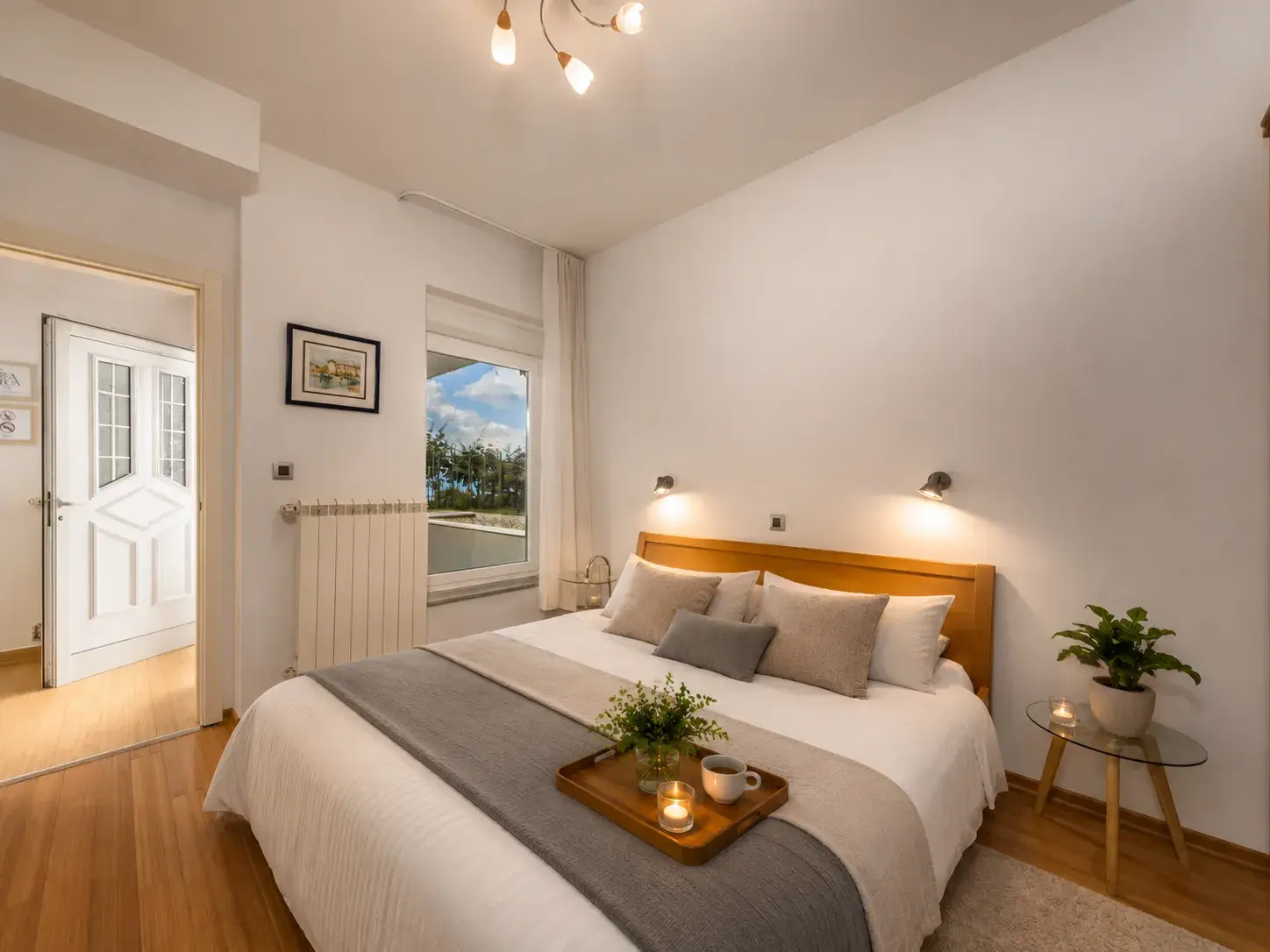
Terra Magica Deluxe apartment with Kvarner Bay views in Grobnik, Croatia 
Terra Magica Room with balcony in Grobnik, Croatia 
Terra 5 Deluxe apartment in Viskovo near Rijeka, Croatia
Explore our accommodation options:
Apartment Terra I – Rijeka Old Town – A comfortable city-centre apartment close to Korzo.
Studio Apartment Terra II – Rijeka Old Town – A modern studio ideal for couples and solo travellers.
Terra Magica Deluxe – Grobnik – A spacious apartment with panoramic views of Kvarner Bay.
Terra Magica Room – Grobnik – A comfortable room with a balcony and free private parking.
Terra 5 Deluxe – Viškovo – A modern ground-floor apartment with private parking in a peaceful setting.
Whether you are travelling as a couple, with family or independently, you can choose the accommodation that best suits your plans.
Rijeka offers historic streets, vibrant city life and access to the Adriatic coast, while the wider Kvarner region provides plenty of opportunities to explore Croatia beyond the city.
Planning your stay? Check availability and book directly with Rijeka Apartments Terra through our official website.
Plitvice Lakes: A Croatian Experience Worth Remembering

Some destinations are remembered for their landmarks. Others stay with you because of how they make you feel.
Plitvice Lakes offers both.
It is the sound of water cascading through a forest, the extraordinary colours of lakes beneath autumn leaves, the scale of limestone cliffs and the simple pleasure of walking through a landscape shaped by nature over thousands of years.
Every season brings a different atmosphere, but autumn has a particular charm. The colours become warmer, the air grows cooler and the reflections on the lakes create scenes that seem almost painted.
Whether you visit for the Great Waterfall, the forest pathways, the turquoise lakes or simply a day away from the busy coast, Plitvice offers a chance to experience one of Croatia’s most remarkable natural treasures.
If you are visiting Croatia, make time for Plitvice Lakes. Some places deserve more than a photograph — they deserve to be experienced.
Plitvice Lakes: Essential Visitor Information

Location: Central Croatia
UNESCO World Heritage Site: Inscribed in 1979
Named lakes: 16
Highest waterfall: Veliki Slap (Great Waterfall)
Suggested visiting time: 4–6 hours or longer
Approximate driving time from Rijeka: 2.5–3 hours each way
Official website: np-plitvicka-jezera.hr/en
Driving times are approximate. Ticket prices, opening hours, routes and transport services may vary by season and operating conditions. Confirm current details with the national park before travelling.

